
Why Removal Alone Isn’t the Final Step
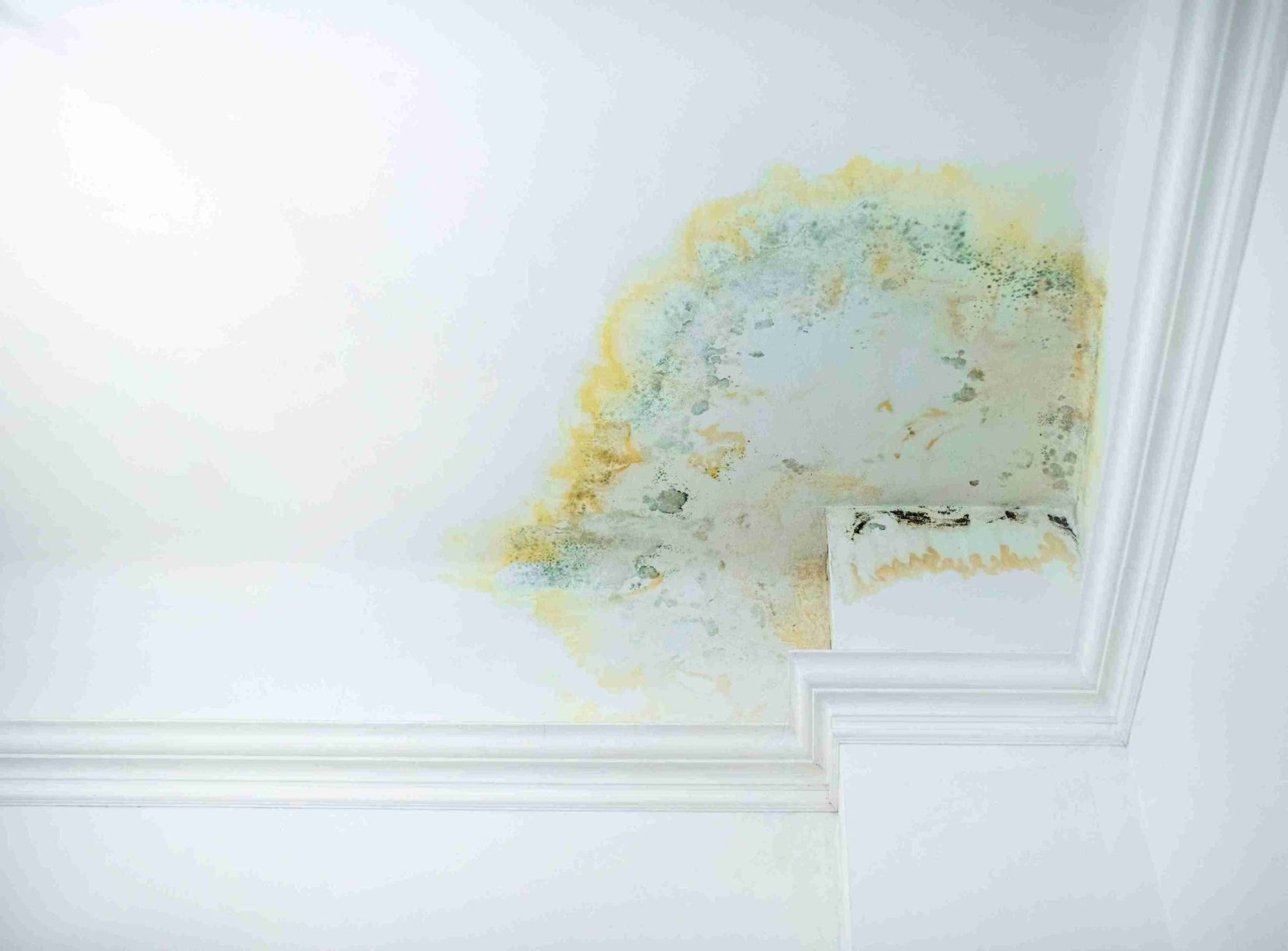
When mold or asbestos is discovered in a home or building, most property owners focus on one thing: getting it removed as quickly as possible. While removal is a critical step, it’s only part of the process. What often gets overlooked is what happens after remediation is complete. The question we encourage clients to ask is simple—how do you know the space is truly safe to use again?
Even after professional mold or asbestos removal, indoor air quality can still be affected. Microscopic mold spores, asbestos fibres, or construction dust can remain suspended in the air or settle in areas that are not immediately visible. Without proper post-remediation testing, there’s no clear confirmation that contaminant levels have returned to safe, acceptable ranges.
We’re seeing more homeowners, landlords, and commercial property managers ask for proof—not just reassurance—that their indoor environment is safe. Indoor air quality testing provides that confirmation and helps ensure that remediation work has fully achieved its purpose.
How Indoor Air Quality Can Remain Compromised
After remediation, indoor air quality can still be impacted by several factors. Mold spores may linger if containment was breached or if moisture issues haven’t been fully resolved.
Asbestos fibres can remain airborne if disturbed materials were not fully captured during removal. Dust from demolition or cleanup can also affect air quality, especially in buildings with poor ventilation.
Ventilation plays a major role in how quickly a space recovers after remediation. If airflow is limited or HVAC systems are contaminated, particles can continue to circulate throughout the building. This is why post-remediation air testing is so important—it confirms whether the air has been properly cleaned or if further action is needed.
Post-remediation testing typically includes clearance testing and air sampling. Clearance testing is designed to verify that mold spores or asbestos fibres are below established safety thresholds. Air samples are collected and analyzed by certified laboratories to provide objective, measurable results. These results help determine whether a space meets return-to-occupancy criteria or if additional remediation steps are required.
We always explain results clearly, so property owners understand what the numbers mean. Testing is not about passing or failing—it’s about understanding the condition of the indoor environment and ensuring it is safe for occupants.
How We Use Testing to Protect Long-Term Indoor Air Quality
When post-remediation testing shows elevated levels, it doesn’t mean the original work failed—it means there is still something contributing to poor air quality. This could be lingering dust, hidden moisture, or ventilation issues that need to be addressed. Based on test results, corrective actions may include additional cleaning, improved containment, HVAC cleaning, or moisture control measures.
Our approach is comprehensive. We provide air quality testing as part of a full-service process that includes assessment, removal, clearance testing, and long-term monitoring when needed. This ensures there are no gaps between remediation and safe re-occupancy.
Maintaining good indoor air quality doesn’t stop once testing is complete. Long-term best practices include controlling indoor humidity, ensuring proper ventilation, and addressing leaks or condensation quickly. Regular maintenance of heating and ventilation systems helps prevent the buildup of dust, mold spores, and other airborne contaminants. In some cases, periodic air quality monitoring provides peace of mind, especially in buildings with a history of mold or asbestos concerns.
Learn More: Common Air Quality Concerns in Alberta Workplaces and How to Address ThemWe work with property owners across Central Alberta, including Red Deer, Calgary, and Edmonton, to create healthier indoor environments. Whether it’s a residential home, rental property, or commercial building, our goal is to provide clear answers and reliable solutions—not guesswork.
As awareness around indoor air quality grows, more clients are asking for documented evidence that their spaces are safe. Post-remediation air quality testing delivers that assurance. It confirms that the job was done properly and that the environment is ready to be lived in or worked in again.
By offering testing, removal, clearance, and ongoing air quality monitoring, we help our clients move forward with confidence, knowing their indoor air meets the standards it should.
Contact Ask Environmental today for professional air quality testing, mold testing, and asbestos testing services across Central Alberta.