
Why Compliance Matters More Than Ever for Alberta Businesses
For business owners, property managers, and contractors in Alberta, environmental compliance is becoming an increasingly important part of operating safely and responsibly. Regulations around asbestos, mold, and indoor air quality exist to protect workers, tenants, and the public from exposure to harmful substances. As we move toward 2026, these expectations continue to evolve, making it essential for businesses to stay informed and proactive.
We often see situations where hazardous materials are discovered during renovations, maintenance work, or building inspections. Without proper testing and planning, these discoveries can delay projects, increase costs, and create liability risks. Staying compliant from the start helps businesses avoid these disruptions while ensuring a safe working environment.
Beyond legal requirements, there is also growing awareness of indoor environmental health. Employees and tenants are paying closer attention to air quality and workplace safety. Businesses that demonstrate responsible environmental practices build trust with staff, clients, and regulatory authorities alike.
Learn More: Alberta Weather: A Perfect Storm for Mold and Asbestos
Understanding Current and Emerging Regulations
In Alberta, occupational health and safety regulations place clear responsibilities on employers and property owners when it comes to hazardous materials. Businesses must identify, assess, and manage substances that could pose risks to workers. This includes materials containing asbestos, as well as environmental conditions that could affect indoor air quality or encourage mold growth.
Under Alberta’s Occupational Health and Safety Code, employers are required to conduct hazard assessments and implement controls to prevent exposure. If asbestos-containing materials are present in a building, they must be properly documented and managed before any renovation, maintenance, or demolition work begins. Testing is often required to confirm whether suspect materials contain asbestos, and removal must be performed according to strict safety procedures.
Indoor air quality is also receiving increased attention. While regulations traditionally focused on chemical hazards, there is growing recognition that factors such as mold growth, ventilation performance, and airborne contaminants can significantly affect worker health. As buildings become more energy efficient and tightly sealed, maintaining healthy indoor air quality is becoming a larger part of environmental management.
Across Canada, regulators and industry groups are placing more emphasis on proper documentation, worker training, and preventative testing. Businesses are expected to demonstrate that they have taken reasonable steps to identify and control environmental risks before they affect occupants.
What Businesses Need to Do to Stay Compliant
To meet regulatory requirements and maintain safe buildings, businesses should take a proactive approach to environmental management. One of the most important steps is maintaining an accurate inventory of hazardous materials within the building. Older properties in particular may contain asbestos in insulation, ceiling textures, floor tiles, or pipe wrap. Identifying these materials early helps prevent accidental disturbance during repairs or renovations.
Regular testing is another key part of compliance. Asbestos testing, mold testing, and air quality testing provide valuable information about potential hazards within a building. These assessments allow businesses to identify problems before they escalate and ensure that appropriate controls are in place.
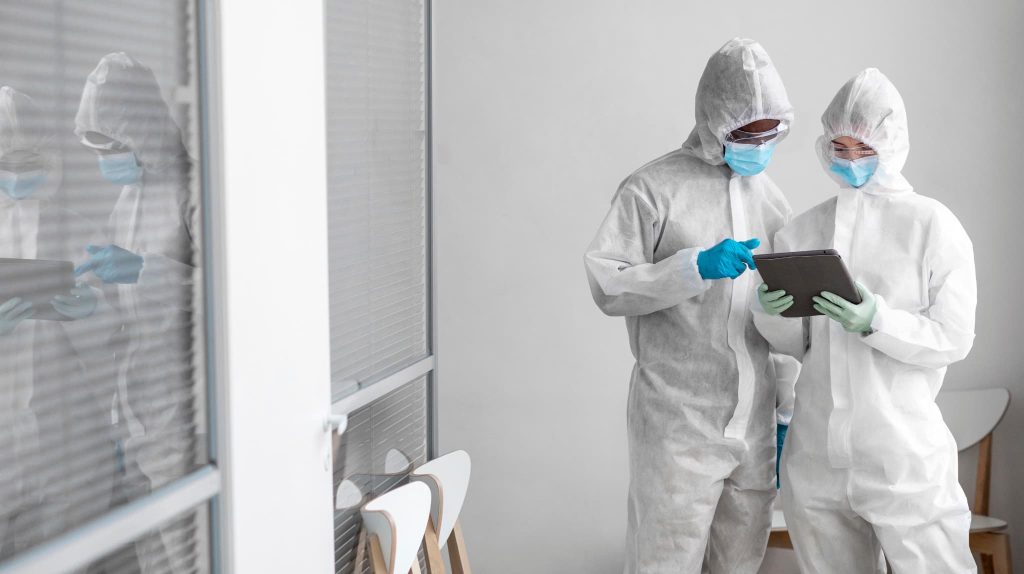
When hazards are discovered, safe removal or remediation must follow established procedures. Certified professionals use containment systems, specialized equipment, and approved disposal methods to ensure that contaminants do not spread during cleanup. Proper documentation of the work performed is essential for regulatory compliance and future property records.
Training is also a critical piece of the puzzle. Workers and contractors must understand how to recognize potential hazards and follow safe practices when working around suspect materials. Clear communication and planning reduce the risk of exposure and help keep projects running smoothly.
We work closely with businesses across Central Alberta to support these responsibilities. Our services include asbestos testing, mold testing, air quality testing, and professional remediation when hazards are identified. By combining testing, removal, and documentation, we help organizations meet regulatory requirements while protecting the health of their employees and occupants.
Environmental regulations will continue to evolve as new research and technologies emerge. Businesses that stay proactive—rather than reactive—are better positioned to manage risk and avoid costly disruptions.
Contact Ask Environmental today to schedule a compliance review and ensure your property meets current asbestos testing, asbestos removal, mold testing, and air quality testing requirements across Central Alberta.