
Why Vermiculite Insulation Can Be an Asbestos Concern
If you are preparing to renovate an older Alberta home, the attic might not be the first place you think about. What is sitting underneath your existing insulation, however, could have a significant impact on how your project moves forward.
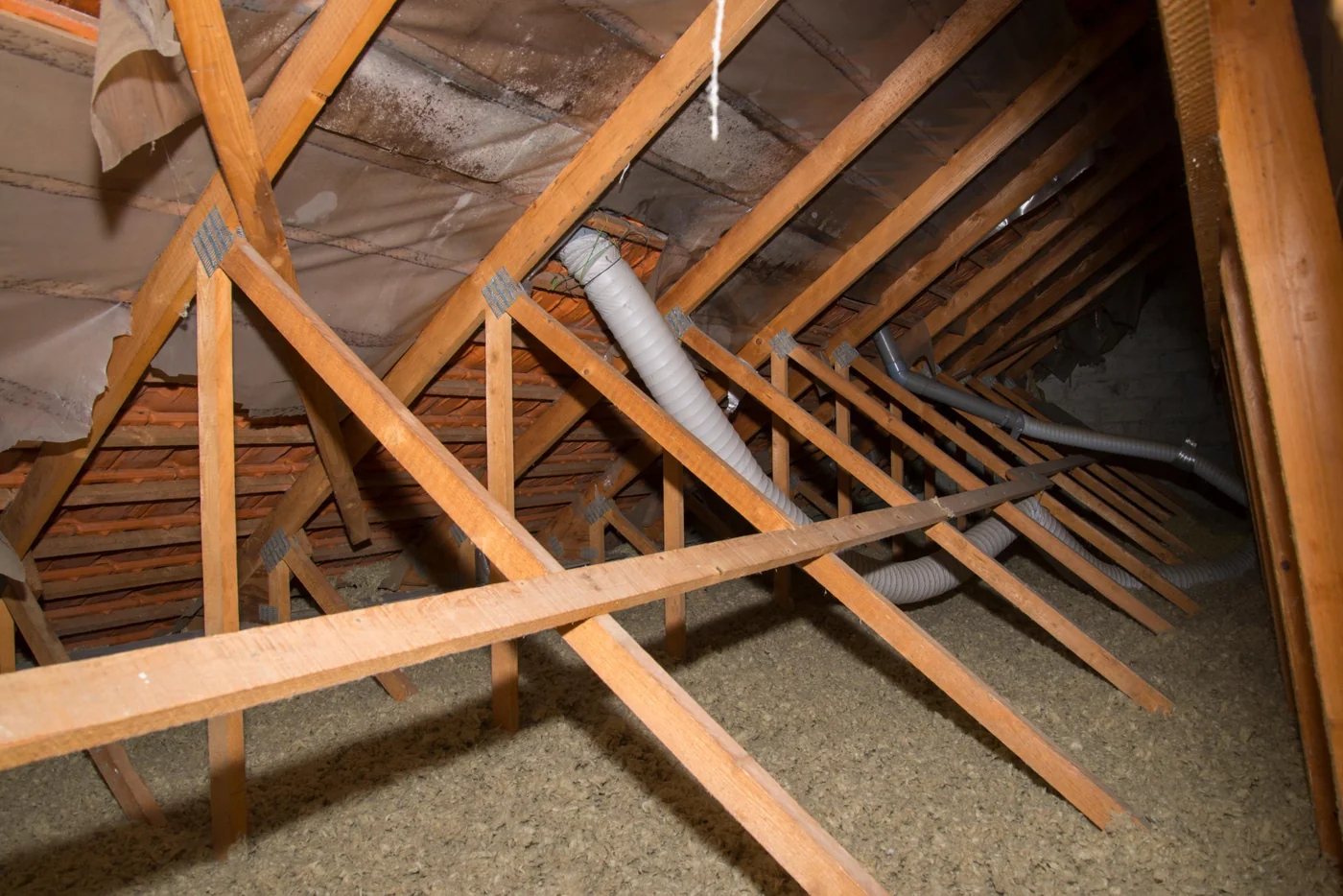
Vermiculite is a naturally occurring mineral that expands when heated. Because it is lightweight, fire-resistant, and provides good insulating properties, it was widely used as loose-fill attic insulation in Canadian homes for many years. It typically looks like small, lightweight pebbles with grey, brown, silver, or gold colouring and shiny flakes.
The concern is not that vermiculite itself is asbestos. The issue comes from where some of the material originated.
A significant amount of vermiculite insulation sold in Canada came from a mine near Libby, Montana. The vermiculite deposit at this mine was contaminated with naturally occurring asbestos. One of the best-known products associated with Libby vermiculite was sold under the Zonolite brand.
As a result, Zonolite insulation and other vermiculite products from this source may contain asbestos fibres. Appearance alone cannot reliably establish whether a particular material contains asbestos or where it originated.
This becomes especially important when renovating, replacing attic insulation, installing electrical wiring, or completing other work that could disturb the material.
What to Do If You Find Vermiculite in Your Attic
If you see loose, pebble-like insulation in an older attic, the safest approach is straightforward: leave it alone until it has been professional asbestos assessment.
Vermiculite can sometimes be recognized by its appearance, but identifying the material and determining whether asbestos is present are two different things. A homeowner should not dig through the insulation looking for packaging, collect a sample independently, or move the material aside to see what lies underneath.
The greatest concern with asbestos-containing materials occurs when fibres are released into the air. Walking through vermiculite, sweeping it, vacuuming it with ordinary equipment, or disturbing it during renovations can create dust and spread contamination beyond the attic.
This is also why contractors should be made aware of suspected vermiculite before any work begins. An electrician installing new wiring or a contractor adding insulation could unknowingly disturb the material if its presence has not been identified in advance.
We recommend having suspect attic insulation assessed before renovation or any other work begins. asbestos testing in Alberta allows us to evaluate the situation and determine an appropriate sampling strategy.
Testing is particularly important because vermiculite can present sampling challenges. Asbestos contamination may not be distributed evenly throughout loose-fill material, so a proper assessment requires appropriate procedures rather than simply collecting a sample from one convenient location.
Once samples have been analyzed, we can explain what the results mean and develop a plan based on the condition of the attic and the work being proposed.
Safe Vermiculite Removal Before Your Alberta Renovation
Finding vermiculite does not mean your renovation has to stop. It does mean the material needs to be handled correctly.
When removal is required, professional asbestos removal services are designed to keep fibres contained and protect both workers and occupants. The work area may need to be isolated from the rest of the home, and specialized equipment and filtration can be used to control airborne material during the project.
The vermiculite must also be collected, packaged, transported, and disposed of appropriately. This is very different from removing ordinary fibreglass or cellulose insulation and taking it to a regular waste facility.
Once the affected material has been removed, the attic can be cleaned according to the remediation plan. Depending on the project, clearance or air testing may also be appropriate before contractors return and new insulation or other building materials are installed.
Planning ahead makes this process considerably easier. Discovering suspected Zonolite or other vermiculite after a renovation has already started can bring work to a halt. It may also increase the scope of cleanup if the material has already been disturbed.
We encourage Alberta homeowners to investigate older attic insulation early, particularly when planning major renovations, energy-efficiency upgrades, electrical work, or insulation replacement. A professional assessment gives you the information needed to incorporate asbestos management or removal into your renovation schedule rather than dealing with an unexpected problem partway through the job.
At Ask Environmental, we provide asbestos assessment, testing, and remediation services for homeowners throughout Central Alberta, including Red Deer, Calgary, and Edmonton. We can help determine what is in your attic, explain the results clearly, and establish a safe path forward before renovations begin.
If you have loose-fill vermiculite insulation in your attic, do not disturb it to find out what is underneath. Contact Ask Environmental today to book a vermiculite inspection and discuss professional attic insulation testing and safe removal options
Frequently Asked Questions About Vermiculite and Asbestos
1. Does all vermiculite insulation contain asbestos?
No. Vermiculite itself is not asbestos, and not every source was contaminated. However, some vermiculite insulation used in Canadian homes came from the asbestos-contaminated Libby mine. Professional assessment and testing are the safest ways to determine how suspect insulation should be managed.
2. How can I tell if I have Zonolite insulation?
Zonolite is typically a loose-fill vermiculite insulation made up of small, lightweight, pebble-like pieces with shiny grey, silver, brown, or gold flecks. Appearance alone cannot reliably confirm the product’s origin or whether asbestos is present.
3. Can I collect a vermiculite sample myself?
We do not recommend disturbing suspect vermiculite independently. Moving or handling potentially contaminated insulation can release dust and fibres into the air. Professional sampling reduces unnecessary exposure and provides a more appropriate testing process.
4. Can I renovate my home if there is vermiculite in the attic?
Yes, but the insulation should be assessed before any work that could disturb it begins. If asbestos is a concern, an appropriate management or removal plan can be developed so the renovation can proceed safely.
5. Should vermiculite insulation be removed before adding new attic insulation?
That depends on the material, its condition, and the planned work. Before covering existing vermiculite or beginning an insulation upgrade, we recommend having it professionally assessed so you understand the potential asbestos risk and your options.