
Why Airborne Particles Matter in Indoor and Workplace Environments
When people think about air pollution, they often picture smoke stacks or heavy traffic outdoors. In reality, indoor air quality can also be affected by airborne particles that are too small to see but still capable of impacting health and safety. These particles, known as particulates, can come from construction materials, dust, industrial processes, mould, combustion sources, or everyday workplace activities.
Total particulate testing is one of the most effective ways to evaluate the quality of the air inside a building or worksite. It measures the concentration of airborne particles and helps determine whether contaminants are present at levels that could affect occupants or workers. In Alberta workplaces and commercial buildings, this type of environmental monitoring is becoming increasingly important as awareness around indoor air quality continues to grow.
We work with property owners, employers, and contractors who want clear information about the air people are breathing every day. Whether it’s a commercial renovation, an industrial operation, or a concern about indoor dust levels, total particulate testing provides valuable data that supports safer and healthier environments.
Airborne particles can vary greatly in size and composition. Some are relatively harmless, while others may contain hazardous substances such as asbestos fibres, silica dust, mould spores, or chemical residues. Smaller particles are especially concerning because they can remain suspended in the air for long periods and travel deep into the lungs when inhaled.
How Total Particulate Testing Supports Air Quality Management
Total particulate testing plays a key role in identifying air quality concerns before they become larger problems. By collecting and analyzing air samples, we can measure particulate levels within a building or work environment and compare them against established guidelines or industry standards. This helps determine whether additional investigation or corrective action may be required.
There are many situations where particulate testing is especially valuable. Construction and renovation projects often generate airborne dust that can spread throughout occupied spaces if not properly controlled. Industrial facilities may produce particulates through manufacturing processes, equipment operation, or material handling. Even office buildings can experience elevated particulate levels due to poor ventilation, water damage, or ongoing maintenance work.
Testing also helps evaluate the effectiveness of containment and remediation efforts. After mold removal, asbestos abatement, or major cleaning projects, particulate testing can confirm whether airborne contaminants have been successfully reduced. This type of post-remediation monitoring provides reassurance that indoor air quality has returned to acceptable levels before occupants re-enter the space.
Environmental monitoring is not just about identifying immediate hazards—it’s also about understanding long-term trends. Elevated particulate levels over time may indicate ventilation issues, inadequate filtration, or hidden environmental concerns that need attention. Regular testing allows property owners and employers to address these issues proactively instead of waiting until health complaints or visible contamination appear.
Read More: Why Testing Matters Post-Mold or Asbestos Removal after Indoor Air Quality After Remediation
How We Use Environmental Monitoring to Support Healthier Spaces
Our approach to total particulate testing starts with understanding the environment being assessed. Every building and workplace is different, so we consider factors such as occupancy, ventilation systems, building use, and potential contamination sources before developing a monitoring plan. This helps ensure testing is both accurate and relevant to the conditions on-site.
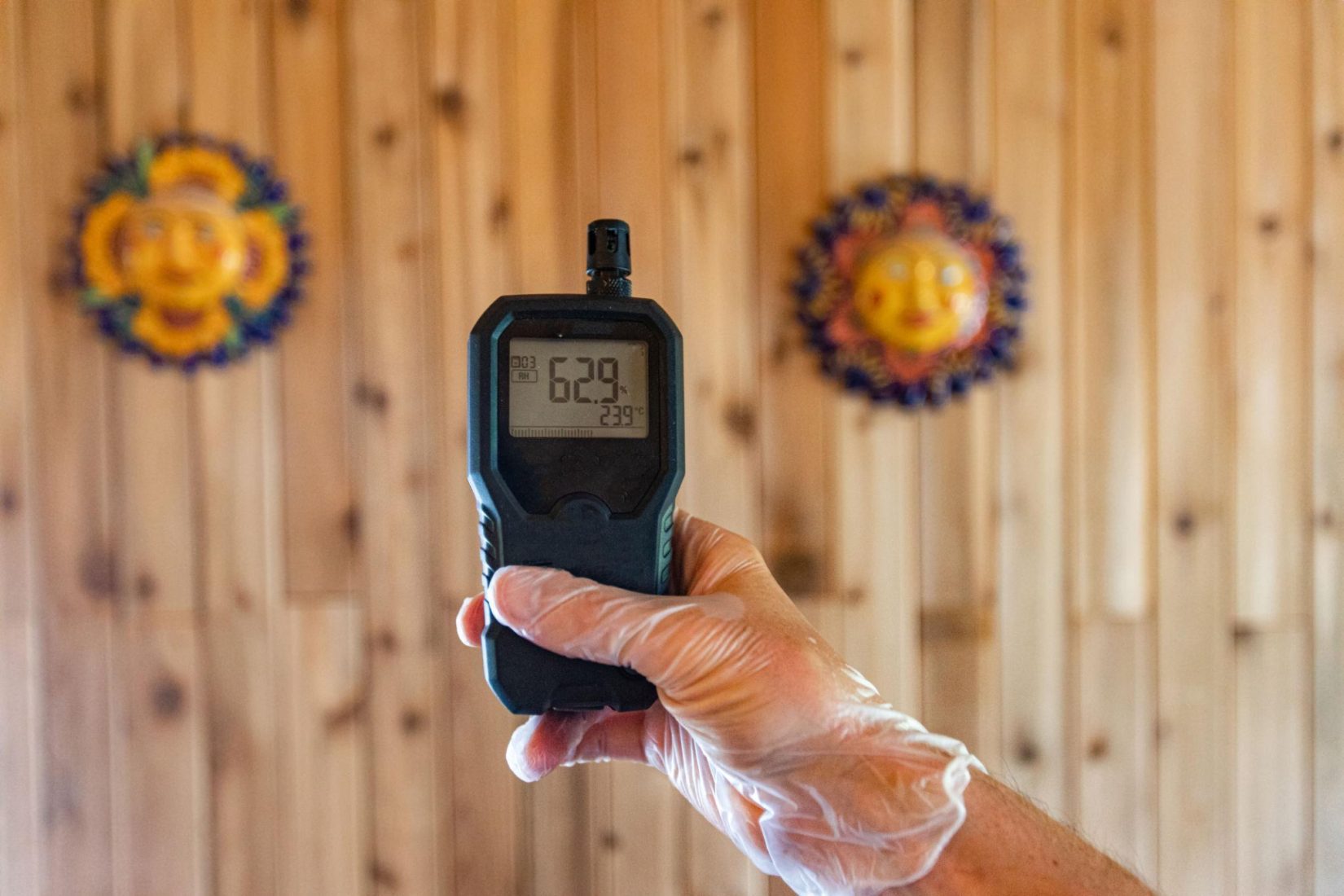
Air samples are collected using specialized monitoring equipment designed to capture airborne particles over a set period of time. Depending on the situation, testing may focus on general particulate levels or specific contaminants such as asbestos fibres, mould spores, or construction dust. Samples are then analyzed to determine whether particulate concentrations fall within acceptable ranges.
Once results are available, we explain what they mean in clear, practical terms. If elevated particulate levels are detected, we help identify possible sources and recommend steps to improve air quality. This may involve improving ventilation, adjusting containment practices, enhancing filtration systems, or conducting additional environmental testing.
We support businesses, contractors, and property owners across Central Alberta with environmental monitoring services designed to improve workplace safety and indoor air quality. Whether it’s part of a renovation project, occupational hygiene program, or post-remediation verification, total particulate testing helps provide confidence that indoor environments are safe and properly managed.
As expectations around workplace health and environmental responsibility continue to evolve, more organizations are recognizing the importance of proactive air quality management. Environmental monitoring provides measurable information that supports better decisions, stronger compliance, and healthier indoor spaces.
Air quality concerns are not always visible, which is why testing plays such an important role. Understanding what’s in the air allows property owners and employers to respond appropriately and maintain environments that support the health and well-being of everyone inside.
Contact Ask Environmental today to learn more about total particulate testing and professional environmental monitoring services across Central Alberta.