
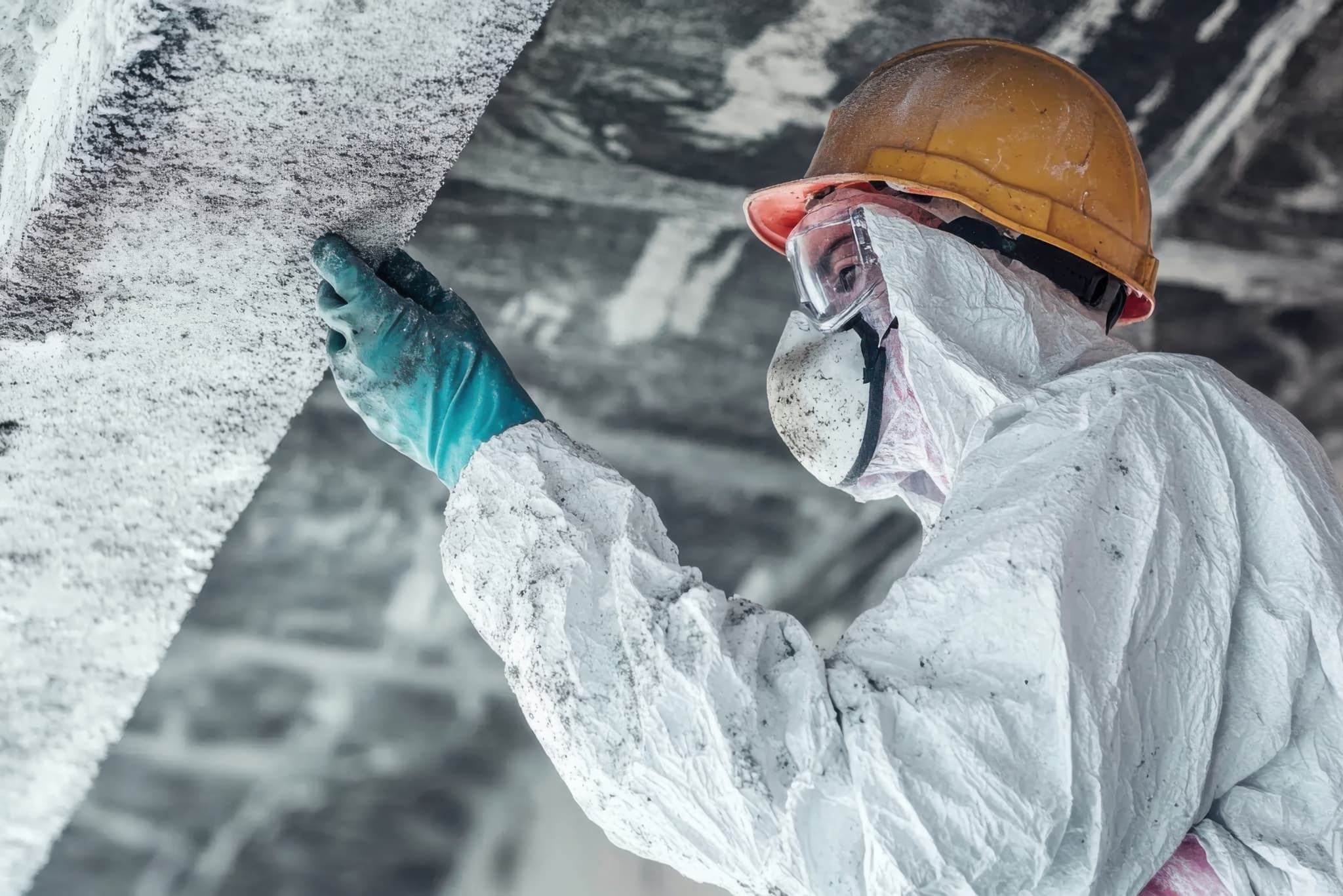
If you’ve discovered asbestos in your home or commercial building, one of your first questions is probably how long it will take to remove it.
That’s understandable. Whether you’re renovating a kitchen, replacing old insulation, or preparing a commercial property for demolition, asbestos abatement can affect your schedule, budget, and access to the building.
The good news is that professional asbestos removal follows a structured process designed to protect occupants, workers, and surrounding areas from exposure.
At Ask Environmental, we help homeowners, contractors, and property managers throughout Central Alberta understand what happens during asbestos removal and how to prepare for the work ahead.
While every project is different, understanding the asbestos abatement process timeline can help you plan your renovation with fewer surprises.
From Initial Testing to Safe Asbestos Removal
The first stage of an asbestos abatement project happens before any removal work begins.
We start by identifying which building materials may contain asbestos and determining the extent of the affected area. Depending on the circumstances, this may involve collecting samples of insulation, drywall compounds, ceiling textures, flooring, or other suspect materials for laboratory analysis through our asbestos testing in Alberta services. You can read more about how the asbestos testing process works.
Once the results are available, we can confirm which materials require attention and establish the scope of the project.
For a smaller residential renovation, this might involve removing asbestos-containing flooring from a single room. Larger projects could involve several floors of a commercial building or multiple types of asbestos-containing materials.
Day 1: Testing and Project Planning
Although testing and planning may be completed before the abatement crew arrives, this stage establishes the foundation for the entire project.
We review the laboratory findings, evaluate site conditions, identify potential exposure risks, and determine the appropriate removal procedures.
We also consider how the work will affect occupants and other contractors. In some cases, residents may need to leave the affected area temporarily (see can I stay in my house during asbestos removal). Commercial properties may require adjustments to operations or restricted access to certain sections of the building.
The goal is to establish a clear plan before disturbing any asbestos-containing material.
Containment and Negative Air Pressure Setup
Before removal begins, the work area is prepared to prevent asbestos fibres from spreading.
Depending on the project’s risk classification and requirements, this may involve installing polyethylene barriers, sealing openings, isolating ventilation systems, and establishing controlled entry and exit points.
For projects requiring negative air containment, specialized filtration equipment helps maintain airflow into the work area rather than letting potentially contaminated air escape.
Workers also use appropriate protective equipment and decontamination procedures.
Containment preparation can take several hours or longer, depending on the size and complexity of the space. It’s an important part of the project and should never be rushed.
Removal Day: What the Crew Does
Once the work area is properly prepared, professional asbestos removal can begin.
The methods used depend on the material being removed and its condition. Some asbestos-containing materials can be removed relatively intact, while others require more extensive controls because they’re easily damaged or release fibres when disturbed.
Crews use appropriate dust suppression techniques, controlled removal methods, and specialized equipment to minimize airborne contamination.
Removed materials are carefully packaged and labelled for transportation and disposal at an authorized facility.
For homeowners, this stage may look surprisingly different from ordinary demolition. Rather than tearing materials out as quickly as possible, the focus is on controlled removal and preventing contamination.
Decontamination, Clearance Testing, and Re-Occupancy
Removing the asbestos-containing material is only part of the job.
Once removal is complete, the work area must be thoroughly cleaned. This can involve HEPA-filtered vacuuming, wet cleaning, and careful inspection of surfaces where asbestos-containing dust may have settled.
Containment and protective measures stay in place as required until the appropriate verification procedures are completed.
Depending on the project and applicable requirements, clearance may involve visual inspection, air testing, or other verification procedures.
Clearance air testing, when required, helps assess airborne fibre concentrations following abatement. It should be performed using an appropriate sampling and analytical method, with results evaluated against the applicable clearance criteria. Learn more about why testing matters after asbestos removal.
The purpose is to confirm that the area meets the requirements for releasing the containment and allowing the next stage of work to proceed.
Once the necessary inspections, testing, and documentation are complete, the work area can be released for re-occupancy or renovation.
For contractors, this is an important milestone. Flooring installers, electricians, painters, and other trades should not resume work in an affected area until it has been appropriately cleared.
How Long Does Asbestos Abatement Usually Take?
There is no single timeline that applies to every project.
A small, straightforward residential removal may take approximately one to three working days once testing, planning, and any required notifications are complete.
A larger residential project involving several rooms, complex containment, or difficult-to-access materials may require several days to a week or longer.
Commercial asbestos abatement projects can take multiple weeks, particularly when work must be completed in phases to accommodate building operations.
These are general planning estimates rather than guaranteed completion times. Laboratory turnaround, site conditions, project risk classification, regulatory requirements, waste handling, and clearance procedures can all affect the schedule.
We encourage property owners to arrange asbestos testing early, ideally before finalizing their renovation or demolition timeline. Finding asbestos after work has already started can lead to avoidable delays and additional costs. Here’s why asbestos testing is crucial before any renovation or demolition.
Planning Your Asbestos Abatement Project With Ask Environmental
An asbestos abatement project shouldn’t feel like a mystery.
We believe property owners deserve to understand what is being removed, why specific safety measures are necessary, and what needs to happen before their building can be used again.
At Ask Environmental, we provide asbestos testing, assessment, and removal services throughout Central Alberta, including Red Deer, Calgary, and Edmonton.
Whether you’re preparing for a residential renovation or managing a larger commercial project, we can help you understand the scope of work and develop a practical plan.
Our priority is to complete asbestos-related work safely while helping you manage the disruption to your property and schedule.
Contact Ask Environmental today to arrange asbestos testing or discuss an upcoming abatement project. We’ll help you understand the process, expected timeline, and next steps before work begins.
Frequently Asked Questions About Asbestos Abatement
1. How long does asbestos removal take in a house?
Small residential projects may take one to three working days after planning and testing are complete. Larger or more complicated projects can take a week or longer. The timeline depends on the materials, affected area, containment requirements, and clearance procedures.
2. Can I stay in my home during asbestos abatement?
It depends on the project. Some work may allow occupants to remain in unaffected areas, while other projects require temporary relocation. We recommend confirming occupancy arrangements during the initial assessment.
3. What happens after asbestos is removed?
The affected area is cleaned and inspected. Depending on the project requirements, clearance air testing or other verification may be necessary before containment is removed and the area is released for use.
4. Does asbestos removal require air testing afterward?
Not every asbestos removal project has identical clearance requirements. The need for air testing depends on the nature of the work, applicable regulations, and project specifications.
5. Can renovations begin immediately after asbestos abatement?
Renovations can resume once the affected work area has been appropriately cleaned, any required clearance procedures have been completed, and the area has been formally released for subsequent work.