
Discovering asbestos in an older building doesn’t automatically mean every affected material needs to be removed.
In some situations, asbestos-containing materials can be safely managed in place. In others, complete removal is the most appropriate solution, particularly when renovations or demolition will disturb the material.
For Alberta homeowners and commercial property owners, understanding the difference between asbestos encapsulation vs removal can help prevent unnecessary expenses while keeping the property safe.
At Ask Environmental, we believe the right decision starts with understanding the material, its condition, and how the building will be used. There isn’t one solution that works for every property.
Understanding Asbestos Encapsulation and When It Makes Sense
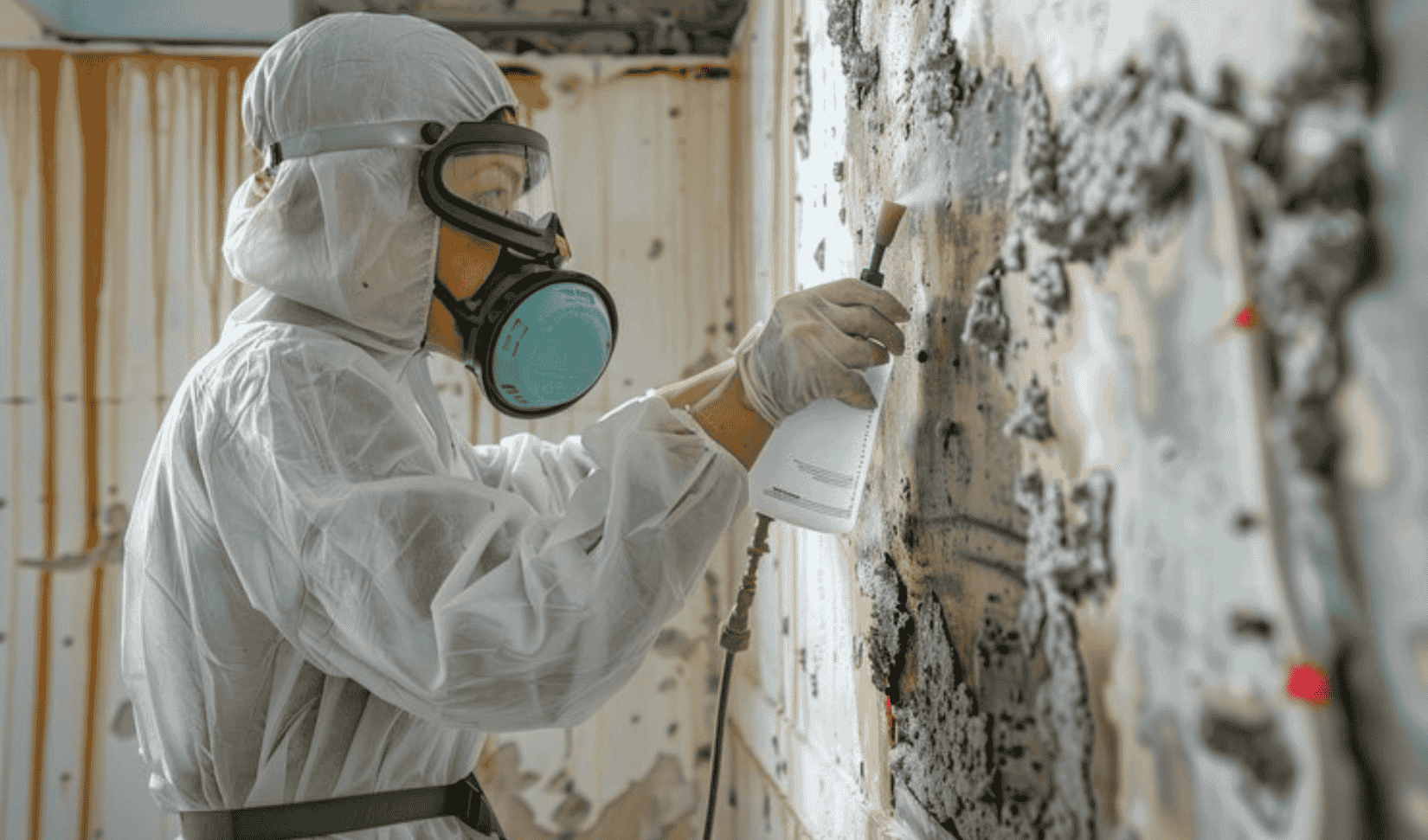
Asbestos encapsulation involves applying a suitable sealant or protective treatment to asbestos-containing material to help prevent fibres from being released.
Rather than removing the material, the objective is to stabilize it and reduce the potential for exposure. Certain asbestos-containing surfaces, for example, may be suitable for treatment with specialized encapsulating products, provided the material is in appropriate condition and the method fits that application.
Encapsulation is different from simply painting over a damaged surface. The treatment must be appropriate for the material and applied under suitable conditions.
Another approach is enclosure, which involves installing a protective barrier around asbestos-containing material. Covering certain intact asbestos-containing flooring with a compatible new flooring system may also be part of an appropriate management strategy. Although these approaches are sometimes discussed together, encapsulation and enclosure are technically different methods.
When Is Encapsulation a Good Option?
Encapsulation may be worth considering when asbestos-containing material is stable, in good condition, and unlikely to be disturbed.
A building owner, for example, may discover asbestos-containing material in an area that isn’t scheduled for renovation and is unlikely to experience physical damage. In that situation, managing the material in place may reduce the need for unnecessary disturbance.
Encapsulation can sometimes cost less than removal because it avoids some of the demolition, waste handling, and restoration that comes with taking the material out. It doesn’t eliminate the asbestos, though. The material remains in the building and must be properly documented, monitored, and considered during future maintenance or renovations.
That distinction matters. A lower initial cost doesn’t necessarily mean encapsulation is the most economical long-term choice. If major renovations are planned in a few years, removing the material now may be more practical than managing it temporarily and paying for removal later.
When Asbestos Removal Is the Better Choice
Asbestos removal involves physically removing asbestos-containing material using appropriate abatement procedures. Unlike encapsulation, successful removal eliminates the identified asbestos-containing material from the treated area.
Removal is often the preferred option when materials are significantly damaged, deteriorating, or likely to be disturbed during renovation or demolition. If you’re replacing an old floor and the project requires removing the existing subfloor, for instance, leaving asbestos-containing tile or adhesive in place usually isn’t practical. Similarly, asbestos-containing ceiling materials may need to come out before substantial electrical, plumbing, or structural work.
The condition of the material matters too. Some damaged materials can’t be effectively stabilized through encapsulation.
There are also regulatory considerations. Alberta’s occupational health and safety requirements establish controls for work involving asbestos. The appropriate approach depends on the material, the work being performed, and the potential for exposure.
Encapsulation shouldn’t be viewed as a way to bypass asbestos safety requirements. Work that disturbs asbestos-containing materials must still be properly assessed and controlled. Where removal is required by the work scope, applicable regulations, or project specifications, covering the material isn’t an adequate substitute. If removal is needed, our professional asbestos removal services are designed to keep fibres contained and protect workers and occupants.
Comparing Asbestos Encapsulation and Removal
Both approaches can play a role in asbestos management, but they serve different purposes.
| Consideration | Asbestos Encapsulation | Asbestos Removal |
|---|---|---|
| Primary goal | Stabilize asbestos-containing material and reduce fibre release | Remove asbestos-containing material from the affected area |
| Initial cost | Often lower when suitable | Generally higher due to labour, containment, and disposal |
| Project disruption | May involve less disruption | Often requires more extensive work and access restrictions |
| Long-term management | Asbestos remains and requires ongoing management | Removed material no longer requires management in that location |
| Renovation flexibility | Future work may disturb the material | Can simplify future work in the treated area |
| Suitability | Stable materials that can be effectively treated | Damaged materials or materials that must be disturbed |
| Future costs | May require monitoring, maintenance, or eventual removal | Higher upfront cost may reduce future asbestos-related work |
The right choice depends on more than cost. We encourage property owners to consider the building’s age, intended use, future renovations, accessibility, and the condition of the asbestos-containing materials. A commercial building that will remain largely unchanged for the next decade may have different management needs than a house undergoing a complete renovation.
How We Help You Make the Right Decision
We begin with a professional assessment to determine which materials contain asbestos and evaluate their condition. When necessary, samples are collected and submitted for laboratory analysis through our asbestos testing in Alberta services.
From there, we consider the planned work and whether the materials can reasonably remain undisturbed. If encapsulation or another management-in-place approach fits, we can explain the considerations involved, including future monitoring and documentation. If removal is the better option, we can help establish the scope of work and appropriate abatement procedures.
Our goal is to provide practical recommendations based on the actual conditions of the property rather than automatically recommending the most extensive solution.
For property managers and commercial building owners, maintaining an accurate asbestos inventory matters too. Knowing where asbestos-containing materials are located helps prevent accidental disturbance during maintenance and future construction.
We work with homeowners, businesses, and contractors throughout Central Alberta, including Red Deer, Calgary, and Edmonton, to support informed asbestos management decisions.
Whether you’re planning a renovation, purchasing an older property, or reviewing asbestos concerns in an existing building, professional testing and assessment are the best starting points.
Contact Ask Environmental today to discuss asbestos encapsulation, testing, or removal options for your property. We’ll help you understand the risks and determine an appropriate way forward.
Frequently Asked Questions About Asbestos Encapsulation and Removal
1. Is asbestos encapsulation as safe as removal?
Encapsulation can be an effective management option when the material is suitable, remains in good condition, and is unlikely to be disturbed. The asbestos remains in place, though, and requires ongoing management. Removal eliminates the identified material from the treated area.
2. Is it cheaper to encapsulate asbestos than remove it?
Encapsulation often has a lower initial cost, but that depends on the material and project requirements. Long-term monitoring, maintenance, and potential future removal should also be considered.
3. Can asbestos flooring be covered instead of removed?
In some cases, intact asbestos-containing flooring can be covered with a compatible flooring system. The condition of the material, the planned installation, and future renovation requirements should be assessed before proceeding.
4. Does encapsulation permanently eliminate asbestos?
No. Encapsulation helps stabilize asbestos-containing material, but it doesn’t remove the asbestos. The material must still be documented and managed to prevent future disturbance.
5. When is asbestos removal necessary?
Removal may be necessary when asbestos-containing materials are damaged, cannot be effectively managed in place, or must be disturbed during renovations or demolition. Applicable safety requirements and project conditions determine the appropriate approach.