
Why Lead in Drinking Water Is Still a Concern in Alberta Homes
Many homeowners assume that lead in drinking water is a problem of the past, but it can still affect homes and buildings across Alberta today. Older plumbing systems, lead service lines, and outdated fixtures can all contribute to lead entering household water supplies. While municipalities continue to improve infrastructure, the plumbing inside private homes and buildings remains the responsibility of property owners.
Lead becomes a concern when it leaches into drinking water through corrosion in pipes, solder, or fixtures. This process is more likely to happen in older homes, especially those built before the 1990s. Water that sits in plumbing for long periods—such as overnight or while homeowners are away—can absorb small amounts of lead before coming out of taps.
Health concerns related to lead exposure have become more widely understood in recent years. Even low levels of lead exposure can pose risks, particularly for children, pregnant women, and individuals with certain health conditions. Long-term exposure has been linked to developmental issues, learning difficulties, and other health complications. Because lead cannot be seen, smelled, or tasted in water, testing is the only reliable way to know whether it is present.
We’re seeing more homeowners across Central Alberta become proactive about indoor environmental health, and drinking water quality is an important part of that conversation. Understanding the potential risks and knowing when to test can help families make informed decisions about their home’s safety.
How Lead Gets Into Drinking Water and When Testing Makes Sense
In most cases, lead contamination does not come from the municipal water supply itself. Instead, it enters water as it travels through plumbing systems that contain lead components. Older pipes, brass fixtures, and lead-based solder can all contribute to contamination over time.
Homes built before the mid-1970s are generally considered at higher risk, but even some newer properties may contain plumbing materials with trace amounts of lead. Renovations can also disturb older pipes and fixtures, increasing the likelihood of lead particles entering the water system temporarily.
There are several situations where testing is especially important. If your home is older, if you notice discoloured water, or if plumbing has recently been replaced or repaired, water testing can provide valuable peace of mind. Families with young children often choose to test proactively because children are more sensitive to lead exposure than adults.
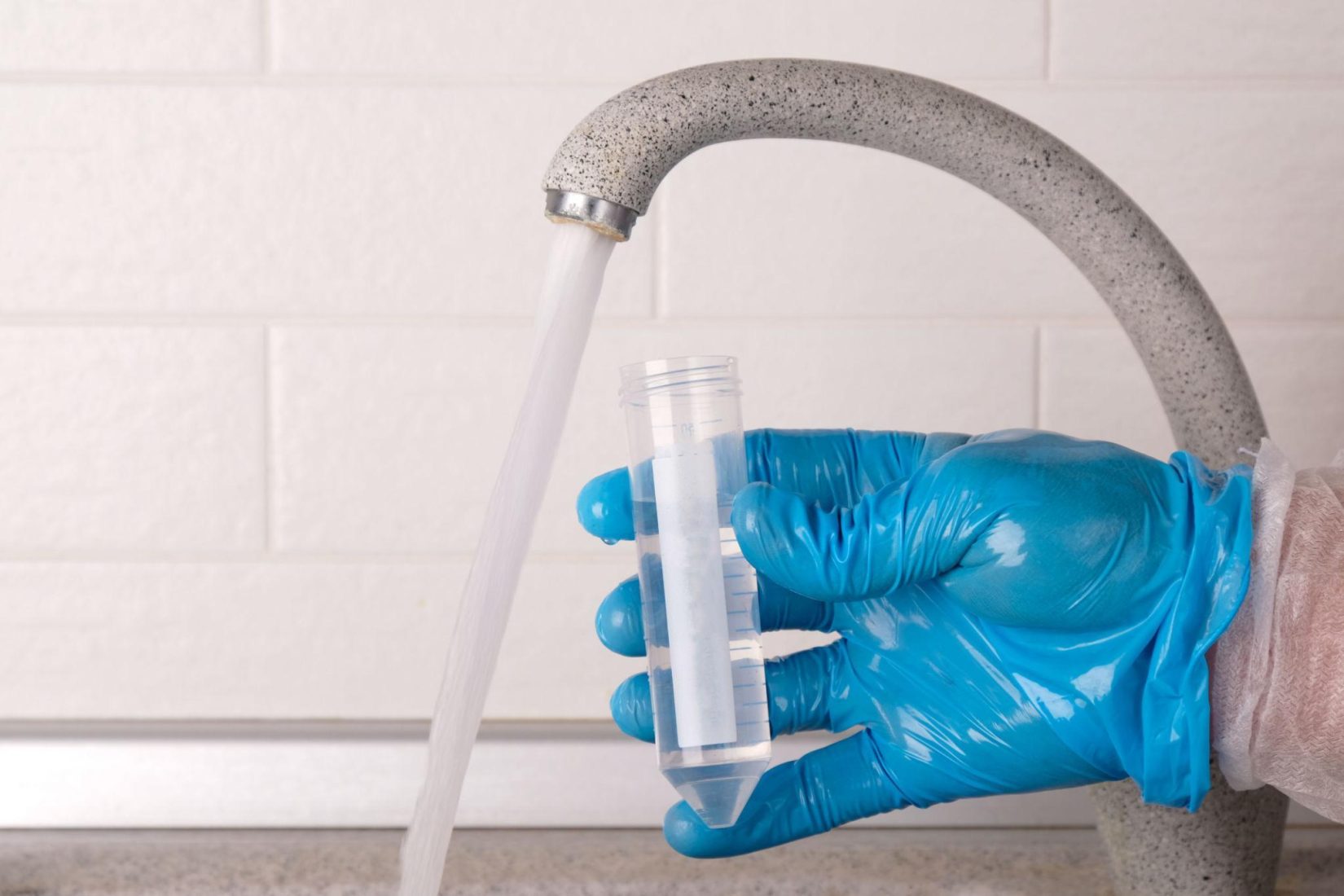
Professional lead testing involves collecting water samples from specific fixtures and sending them to a certified laboratory for analysis. Proper sampling is important because lead levels can vary depending on how long water has been sitting in pipes and which fixtures are tested. We help homeowners understand the testing process and ensure samples are collected accurately to provide reliable results.
If elevated lead levels are identified, the next step is determining where the contamination is coming from and what corrective action is needed. In some cases, flushing the system regularly or replacing fixtures may help reduce exposure. In other situations, older plumbing materials or service lines may need to be replaced entirely.
How Testing and Prevention Help Protect Your Home and Family
Testing provides more than just numbers—it helps homeowners make informed decisions about protecting their water quality and overall indoor environment. Once results are available, we help explain what they mean and whether any action is recommended based on current health guidelines.
Reducing lead exposure often starts with simple preventative measures. Running cold water for a short period before drinking or cooking can help flush water that has been sitting in pipes. Using certified filtration systems designed to remove lead may also help reduce risk in some homes. However, these steps should not replace professional testing or long-term solutions when elevated levels are confirmed.
For homes with aging plumbing systems, replacing lead-containing materials is often the most effective long-term approach. This may include updating old fixtures, replacing sections of pipe, or working with local utilities if service lines are involved. While these upgrades can require an investment, they help improve both water quality and long-term property value.
We work with homeowners across Central Alberta to support healthier indoor environments through professional environmental testing and assessment services. Water quality is an important part of overall home safety, and proactive testing helps identify concerns before they become larger health issues.
As awareness around indoor environmental quality continues to grow, more homeowners are taking a closer look at what’s happening behind their walls and inside their plumbing systems. Lead testing is a practical step that provides clarity, reassurance, and an opportunity to address problems early.
Knowing what’s in your drinking water allows you to make confident decisions for your home and family. Whether you live in an older property or simply want peace of mind, professional testing is the best way to ensure your water remains safe.
Contact Ask Environmental today to learn more about professional lead testing and indoor environmental assessment services across Central Alberta.