
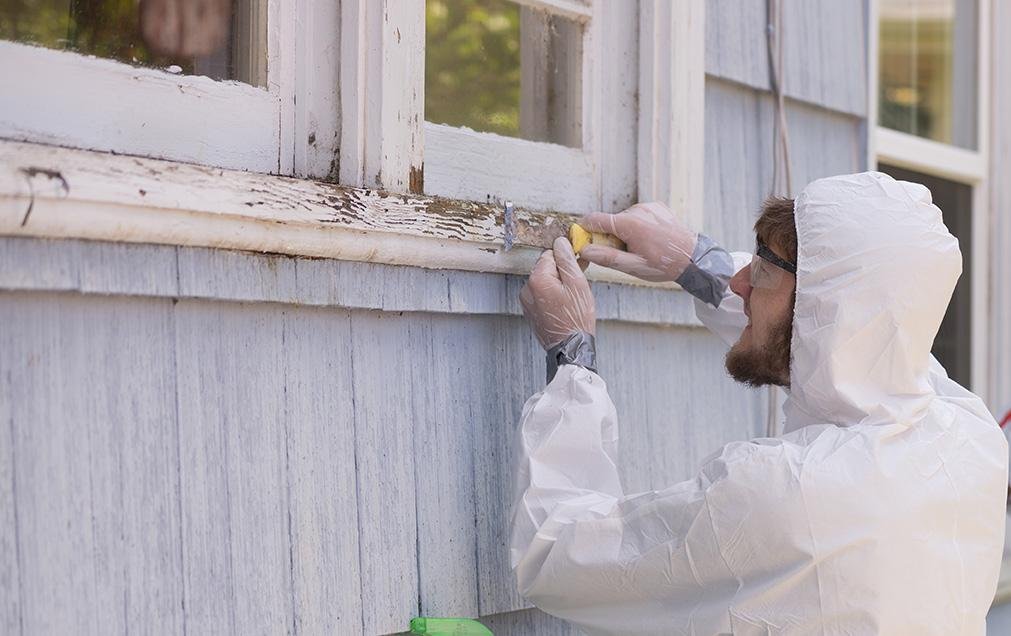
Lead paint is easy to overlook. Layers of newer paint can conceal it entirely, and there is no way to identify it by sight alone. Yet in any Alberta home, school, or commercial building constructed before the late 1970s, it may well be present, quietly waiting to become a problem.
When lead paint is in good condition and left undisturbed, it generally poses little risk. The danger begins when paint starts to chip, crack, or peel, or when renovation work such as sanding, scraping, drilling, or demolition disturbs painted surfaces. At that point, lead-contaminated dust and debris can be released into the air and spread throughout a property, affecting overall indoor air quality. These particles are often invisible to the naked eye but can create serious health risks if inhaled or ingested.
Children are particularly vulnerable. Their bodies absorb lead more readily than adults, and exposure has been linked to developmental delays, learning difficulties, and behavioural challenges. Adults are not immune either. Prolonged exposure can cause headaches, elevated blood pressure, kidney damage, and neurological issues.
As Central Alberta’s older housing stock continues to be renovated and modernised, lead paint is increasingly becoming an unexpected complication for homeowners, contractors, and property managers alike. Knowing where it may be present and when to test for it can prevent costly surprises and protect everyone on site.
When Lead Paint Testing Becomes Essential
There is no reliable way to tell whether paint contains lead simply by looking at it. Professional testing is the only way to confirm its presence and assess the level of risk.
Testing is especially important before any renovation, demolition, or significant maintenance work in older buildings, particularly when other hazardous materials may also be present and require asbestos testing before work begins. Projects involving wall sanding, window replacement, trim removal, or any disturbance to painted surfaces can release lead dust that lingers long after the work is finished. Without proper precautions, that contamination can affect occupants for months.
Ask Environmental recommends lead paint testing for any property built before the late 1970s, where renovation work is planned. Testing is also worth considering when purchasing an older home, managing a rental property, or dealing with areas where paint is visibly deteriorating. In schools, childcare facilities, and commercial buildings, testing provides an important layer of protection and supports broader occupational hygiene practices for the people who use those spaces every day.
Professional testing involves collecting samples from suspect surfaces and sending them to a certified laboratory for analysis. Depending on the property and the scope of planned work, additional testing may be recommended to check for dust or soil contamination. Results inform whether special handling procedures or remediation measures are needed before work can safely proceed.
In Alberta, landlords and contractors also have legal obligations regarding hazardous materials and other controlled substances that may be found in older buildings. Identifying lead paint before a project begins helps ensure compliance with workplace health and safety requirements and reduces the risk of costly delays or liability exposure down the line.
What Happens After Lead Is Found
Identifying lead paint does not automatically mean it needs to be removed. The appropriate response depends on the condition of the paint and the scope of the planned work.
In some cases, lead-containing surfaces can be safely encapsulated or sealed, preventing exposure without full removal. In others, particularly where significant renovation is underway, professional removal is the safest and most practical option.
Remediation requires specialised training, equipment, and strict containment procedures. Work areas are isolated to prevent dust from spreading, and technicians follow established protocols for handling and disposing of contaminated materials. Air monitoring and thorough cleaning procedures are used to confirm the space is safe before it is handed back to occupants.
Ask Environmental works with property owners to understand their options and to develop a management plan suited to the building’s condition and the nature of the project. The goal is straightforward: provide clear, accurate information so decisions are based on facts rather than guesswork.
Lead paint is a hidden hazard precisely because it can go unnoticed for decades. With professional testing and proper management, however, it does not have to become a serious problem. A proactive approach protects building occupants, supports workplace safety, and keeps renovation projects on track.
Whether you are planning a renovation, purchasing an older property, or simply want confidence in what your building contains, professional testing is the most reliable place to start.
Contact Ask Environmental today to book a lead paint assessment for your property across Central Alberta.